
Quick answer — buy or build?
Short version: for most people, buying a ready-to-fly drone is cheaper in time and hassle; for tinkerers and those with specific performance needs, building can be cheaper and more satisfying over time. Cost isn’t only dollars — it’s also time, frustration, learning, and sometimes, fun. Want to dig deeper? Let’s unpack the numbers and scenarios.
Major cost factors that decide the answer
Before you compare price tags, consider what goes into the total cost.
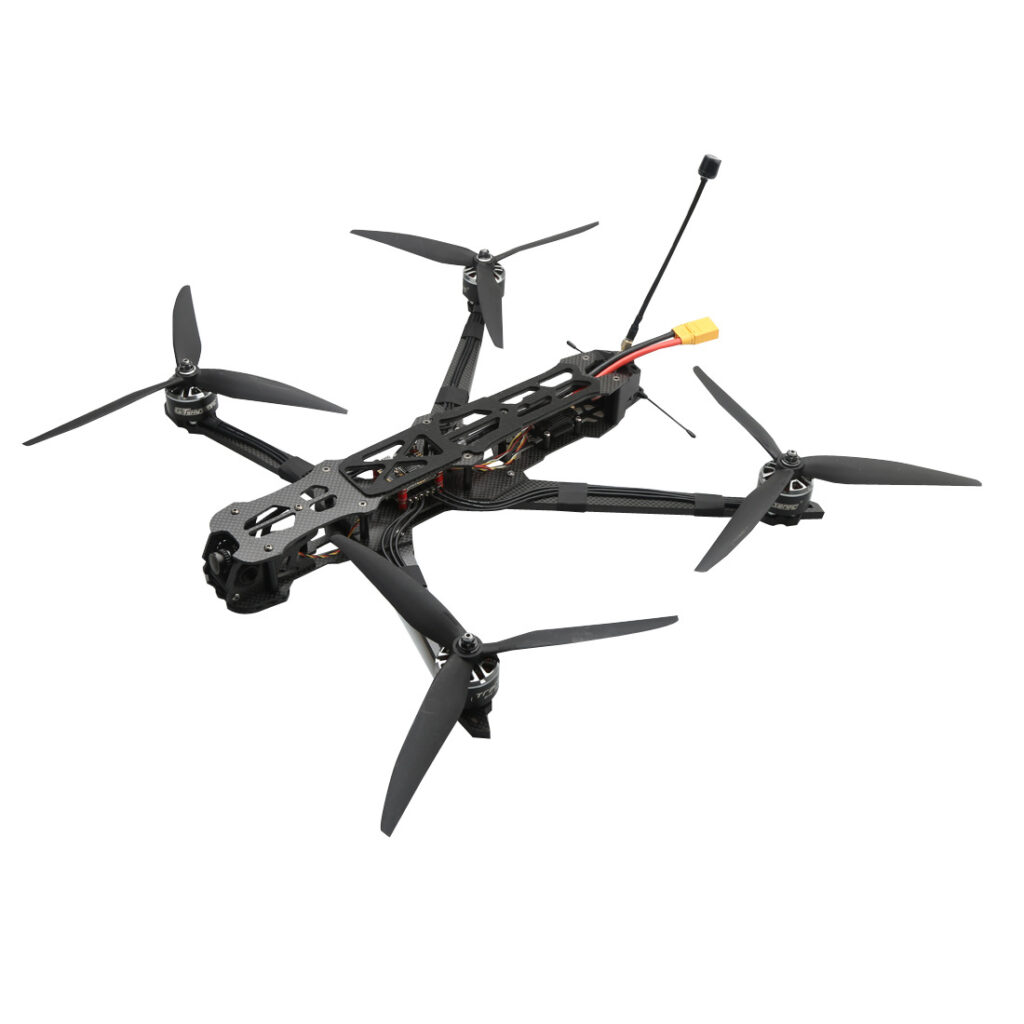
Components and parts
The raw parts — frame, motors, flight controller, battery, props, and camera — determine the baseline. High-quality parts can double or triple costs compared to budget components.
Brushless vs brushed motors
Brushless motors are standard for most modern drones. They’re pricier but durable and efficient. Brushed motors are cheaper but wear out fast — okay for toys, not for serious builds.
Tools and equipment
You might need a soldering iron, multimeter, prop balancer, binders, and other tools. If you don’t already own them, this startup cost can make a DIY drone expensive from the outset.
Time, skills, and learning curve
Building a drone is a project. If you value your time highly or need the drone quickly, buying wins. If you enjoy learning and troubleshooting, the build process has its own reward.
Warranty, support and software
Bought drones often include warranties and vendor support. DIY builds usually have no single warranty — each component carries its own guarantee, if any.
Repairs, upgrades and long-term maintenance
A custom drone can be easier to fix part-by-part, but if you crash often and don’t have spares, repair costs add up fast.
Cost breakdown: How much to build a drone
Let’s lay out a realistic parts list and ballpark costs (USD). Prices vary by brand and region, but these figures give a practical estimate.
Frame
$20–$150. Hobby frames vary from tiny micro frames to carbon fiber freestyle frames. Choose one sized for your motors and props.
Motors and ESCs
$15–$40 per motor, so $60–$160 for a quadcopter plus ESCs if separate. Many opt for 4-in-1 ESC combos that simplify wiring and may lower cost.
Motor/ESC pairing considerations
Picking mismatched motors and ESCs leads to poor performance and possibly crashes. Buying matched sets often saves headaches.
Flight controller and firmware
$30–$200. Budget controllers run Betaflight; advanced ones offer GPS, autonomous features and higher price tags.
Propellers
$5–$30 for a set. Props are cheap but fragile — expect to replace them regularly.
Battery and charger
$20–$150 for a decent LiPo battery; charger $30–$80. Quality batteries matter for flight time and safety.
LiPo care and cost implications
LiPo safety gear (sack, balance charger) is inexpensive but wise. Damaged or poorly maintained batteries are dangerous and costly.
Radio transmitter and receiver
$40–$300. If you don’t already own a transmitter, this is a major expense. Budget radios are functional; high-end ones provide better ergonomics and protocols.
Camera, gimbal and FPV gear
$20–$400+ depending on whether you want a basic FPV cam, a GoPro-style action cam, or a 3-axis gimbal. FPV goggles are another $100–$500.
Miscellaneous: connectors, soldering, tools
$30–$150. Don’t forget wiring, XT60 connectors, heat shrink, solder, tape and tools.
Realistic DIY total: for a competent quadcopter with decent components, expect $300–$1,200. At the low end (micro drones) you can do $150–$300. High-performance or cinematic rigs can exceed $2,000.
Cost breakdown: How much to buy a drone
Pre-built drones come in tiers.
Toy/entry-level ready-to-fly (RTF)
$50–$300. These are convenient and great for beginners, but have limited range and durability.
Prosumer/photography drones
$400–$2,000+. Drones from established brands (DJI, Autel) include camera, gimbal, and smart features. You pay for reliability, software, and support.
FPV pre-built racers
$200–$1,500. Many companies sell RTF FPV rigs that save you the building process but give you racing-grade performance.
Buying realistic total: $150 for a basic RTF toy; expect $600–$1,500 for a solid prosumer drone. High-end cinema drones push beyond $3,000.
Hidden costs people often miss
The sticker price is rarely the end.
Crashes and spare parts
New pilots crash. If you’re building, you’ll need spare motors, props, and possibly a frame. If you bought a drone, a crash-repair from the manufacturer can be pricey.
Regulatory costs and insurance
Depending on where you live, registration, permits, or insurance may be required. Budget for these if you plan commercial flights.
Upgrades, accessories and software subscriptions
Extra batteries, ND filters, software subscriptions for mapping or editing — they all add up.
When building a drone is cheaper (and makes sense)
Building often becomes cost-effective when:
Reusing parts and gradual upgrades
If you already have a transmitter, chargers, or spare motors, building a custom quad can be cheaper. Upgrading a cheap build part-by-part over time spreads cost and can result in a premium rig for less money.
Hobbyists with existing tools and skills
If you like electronics, soldering, and tuning, the build process is part of the hobby. You gain skills and can optimize performance cheaply.
When buying a drone is cheaper (and smarter)
Buying makes sense when:
Beginners who want low hassle
If you want to fly right away without wiring and tuning, an RTF model saves time and often money when you factor in tools and mistakes.
Needing reliability or quick deployment
For professional photography or time-sensitive jobs, purchased drones offer reliability, warranties, and faster setup.
Performance comparison: Built vs bought
Which flies better? It depends.
Reliability and tuning
Factory-built consumer drones are tuned by engineers. DIY drones require tuning but can be fine-tuned to outperform off-the-shelf models if you know what you’re doing.
Repairability and upgrade path
Custom builds shine here. Broken parts can be swapped easily; you’re not locked into a single vendor’s repair service or pricing.
Return on investment and resale value
Consumer-brand drones often retain value because of warranties and brand demand. Custom builds sell more slowly and often for less than the sum of parts, unless built by a known maker.
Quick decision checklist: Build or buy?
Ask yourself:
- Do I want to fly immediately or learn the tech?
- Do I have a transmitter, charger, and tools already?
- Will I crash a lot or need warranty-backed support?
- Is custom performance or a specific payload required?
A simple scoring: for each “yes” to build-friendly questions, add 1 point. If your score is 3 or more, building might be right. Otherwise, buy.
Questions to ask yourself
How much time can I invest? How often will I fly? Do I need advanced features like obstacle avoidance?
Money-saving tips whether you build or buy
- Buy used parts or drones from reputable sellers.
- Start with a kit that combines matched parts.
- Join local clubs for spare part swaps and advice.
- For buyers: choose models with robust aftermarket support.
Final recommendation and takeaway
If your primary goal is to fly easily and get reliable photos or video, buying is usually the cheaper and less stressful option. If you enjoy tinkering, already have tools, or want a custom performance edge, building can be more economical and far more satisfying in the long run.
Conclusion
Deciding whether it’s cheaper to build a drone or buy one depends on dollars, time, skills, and goals. For most newcomers and professionals who need consistency, buying an RTF or prosumer drone offers the best value. For hobbyists who love the process, want custom rigs, or can reuse existing gear, building can save money over time and give better control over performance.
FAQs
Q1: Can I build a decent drone for under $300? Yes — micro drones and entry-level quad builds are possible under $300 if you shop carefully and reuse existing tools or radios. Expect compromises in flight time and features.
Q2: How long does it take to build a drone? A straightforward build can take a few hours to a day. If you’re learning, plan on several weekends for tuning, firmware setup, and troubleshooting.
Q3: Are custom-built drones legal to fly? Regulations vary. Custom drones usually must follow the same rules as bought drones: registration, line-of-sight, and any local restrictions. Check your country’s aviation authority.
Q4: Will a built drone be less reliable than a bought one? Not necessarily. Reliability depends on your parts quality, assembly, and maintenance. Factory drones are convenient but not immune to failure.
Q5: Where’s the best place to buy parts or a pre-built drone? Reputable hobby shops, major online marketplaces, and manufacturer stores are good starts. For used gear, local clubs, forums, and verified sellers help reduce risk.