
As we continue our journey into the fascinating world of FPV (First-Person View) drones, it’s essential to explore the technological advancements, innovative features, and future prospects that have redefined aerial piloting. This exploration will highlight how FPV drones have evolved and the cutting-edge innovations that continue to push the boundaries of drone technology.
Technological Advancements in FPV Drones
FPV drone technology has seen remarkable advancements over the years, driven by rapid developments in camera, transmission, and control systems. Let’s delve into some of the key technological innovations that have shaped the FPV landscape.
High-Definition Cameras
One of the most significant advancements in FPV drones is the evolution of high-definition cameras. Modern FPV cameras offer:
Higher Resolution: The latest FPV cameras provide 4K and even 5K resolution, delivering stunning, detailed video feeds that enhance the immersive experience.
Wide-Angle Lenses: These lenses capture a broader field of view, providing pilots with a more comprehensive perspective of their surroundings.
Low-Light Performance: Improved low-light capabilities allow for FPV flying in challenging lighting conditions, from dusk to dawn.
Stabilization: Advanced stabilization techniques, including electronic and mechanical stabilization, ensure smooth and clear video feeds even during dynamic maneuvers.
Enhanced Transmission Technology
The quality and reliability of the video transmission are critical for an optimal FPV experience. Recent advancements include:
Higher Frequencies: FPV drones now commonly operate on higher frequency bands (such as 5.8 GHz), offering clearer and more stable video feeds with reduced latency.
Digital Transmission: Digital transmission technology, which replaces analog systems, provides superior video quality and greater range, often exceeding 5 miles in optimal conditions.
Reduced Interference: Enhanced shielding and signal processing techniques minimize interference from other electronic devices, ensuring a clearer video feed.
Advanced Control Systems
The control systems of FPV drones have also seen significant improvements, enhancing precision and responsiveness:
Microcontrollers: Modern microcontrollers offer faster processing speeds and more advanced algorithms, enabling smoother and more responsive control.
Advanced Gyroscopes and Accelerometers: These sensors provide real-time data on the drone’s orientation and movement, allowing for more precise control and stabilization.
GPS Integration: Advanced FPV drones often include GPS modules, enabling features like geo-fencing, autonomous flight paths, and real-time location tracking.
Innovative Features in FPV Drones
Beyond technological advancements, FPV drones now come equipped with a variety of innovative features that enhance the flying experience and open up new possibilities for aerial photography and racing.
1. fpv One-Way and Two-Way Audio
One of the most exciting features in modern FPV drones is the ability to communicate with a remote pilot or a teammate via one-way or two-way audio systems. This feature is particularly useful in competitive drone racing, where quick communication can be crucial.
2. fpv Integrated GPS and Autonomous Flight
GPS integration allows FPV drones to perform autonomous flight missions. Pilots can program specific waypoints and let the drone follow a predetermined path, making complex maneuvers and explorations more manageable.
3. FPV Goggles and Monitors
FPV goggles and monitors have evolved significantly, offering features like:
HDR (High Dynamic Range): Provides better contrast and color representation, enhancing the viewing experience. HDR Brightness: Adjustable brightness settings to optimize visibility in various lighting conditions. Eye Relief: Distance between the lenses and the pilot’s eyes to ensure comfort during long flying sessions.
4. fpv Obstacle Avoidance Systems
Advanced obstacle avoidance systems use sensors like LIDAR and ultrasonic sensors to detect and avoid obstacles in real-time. This feature is particularly useful for racing drones and for navigating complex environments.
5. fpv Modular Design
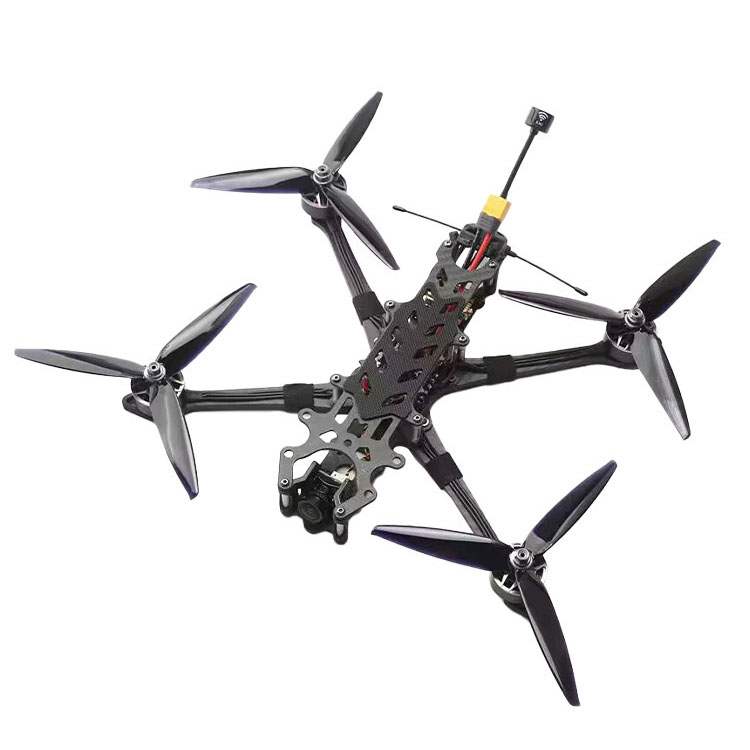
Many modern FPV drones feature modular designs, allowing pilots to upgrade or replace components like cameras, antennas, and receivers. This flexibility ensures that pilots can customize their drones to suit their specific needs and preferences.
The Future of FPV Drones
The future of FPV drone technology holds exciting prospects, driven by ongoing innovations and emerging trends in drone technology.
1. Artificial Intelligence and Machine Learning
AI and machine learning are poised to play a significant role in the evolution of FPV drones. These technologies can enhance obstacle avoidance systems, enable more sophisticated autonomous flight capabilities, and even optimize flight paths for maximum efficiency.
2. Increased Battery Life and Range
Advancements in battery technology are likely to extend the flight times and range of FPV drones. Higher capacity batteries and improved power management systems will make long-distance and endurance flights more feasible.
3. Compact and Lightweight Designs
As materials and manufacturing techniques improve, we can expect even more compact and lightweight FPV drones. This will open up new possibilities for miniaturization and portability, making drones accessible to a broader range of users.
4. Enhanced Connectivity
With the advent of 5G and other next-generation communication technologies, FPV drones will benefit from reduced latency and increased data transfer rates. This will further enhance the real-time video feed and communication capabilities.
5. Regulatory Advances
As drone technology continues to advance, regulatory frameworks are evolving to accommodate new uses and technologies. This includes the development of standards for safe and responsible drone operation, which will facilitate broader adoption and innovation in the FPV drone sector.
Conclusion
FPV drones have come a long way from their early beginnings, evolving into sophisticated, feature-rich machines that offer unparalleled flying experiences. With continuous technological advancements and innovative features, the future of FPV drones promises even greater excitement and possibilities. Whether for racing, photography, or exploration, FPV drones are pushing the boundaries of what is possible in aerial technology, making them a thrilling field to be a part of.