
Having been introduced to the basics of FPV racing, it’s time to delve deeper into the intricacies of this high-octane sport. This part of our exploration will cover advanced techniques, cutting-edge equipment, and the dynamic culture that surrounds FPV racing. Whether you’re a seasoned pilot or an aspiring racer, this comprehensive guide will equip you with the knowledge to excel in the world of FPV racing.
Advanced Techniques in FPV Racing
Mastering FPV racing involves honing your skills and mastering advanced techniques that allow you to push the limits of your drone’s performance. Here are some key techniques to elevate your racing game:
Precision Navigation: To excel in FPV racing, pilots must develop exceptional navigation skills. This includes understanding the drone’s movements, anticipating obstacles, and executing precise maneuvers to navigate complex track layouts.
Cornering Techniques: Cornering is a critical aspect of FPV racing. Advanced pilots focus on maintaining speed while navigating sharp turns, employing techniques such as weight shifting and throttle control to maximize cornering efficiency.
Speed Management: Managing speed is crucial for success in FPV racing. Pilots must balance speed with control, ensuring that they can maintain high speeds while also being able to react quickly to obstacles and changes in the track.
Obstacle Course Navigation: FPV tracks often include intricate obstacle courses that require advanced maneuvering skills. Pilots must develop the ability to quickly identify and navigate through obstacles, such as walls, ramps, and tunnels.
Line Flying: Line flying is a technique where pilots fly the drone in a straight line, minimizing the need for sharp turns and maximizing speed. This technique requires exceptional control and precision, as pilots must maintain a constant speed while navigating the track.
Advanced FPV Equipment
To achieve peak performance in FPV racing, having the right equipment is essential. Here’s a look at some advanced components that can enhance your racing experience:
High-Performance Motors: Upgrading to high-performance motors can significantly boost your drone’s speed and agility. These motors are designed to deliver maximum power while maintaining reliability and efficiency.
FPV Radios: Advanced FPV radios offer improved range, clarity, and reliability. Look for models with high-frequency bands and advanced features like automatic gain control and signal boosters.
FPV Antennas: Upgrading your FPV antennas can improve signal strength and reduce interference. High-gain antennas and directional antennas are particularly useful for enhancing the video feed in challenging environments.
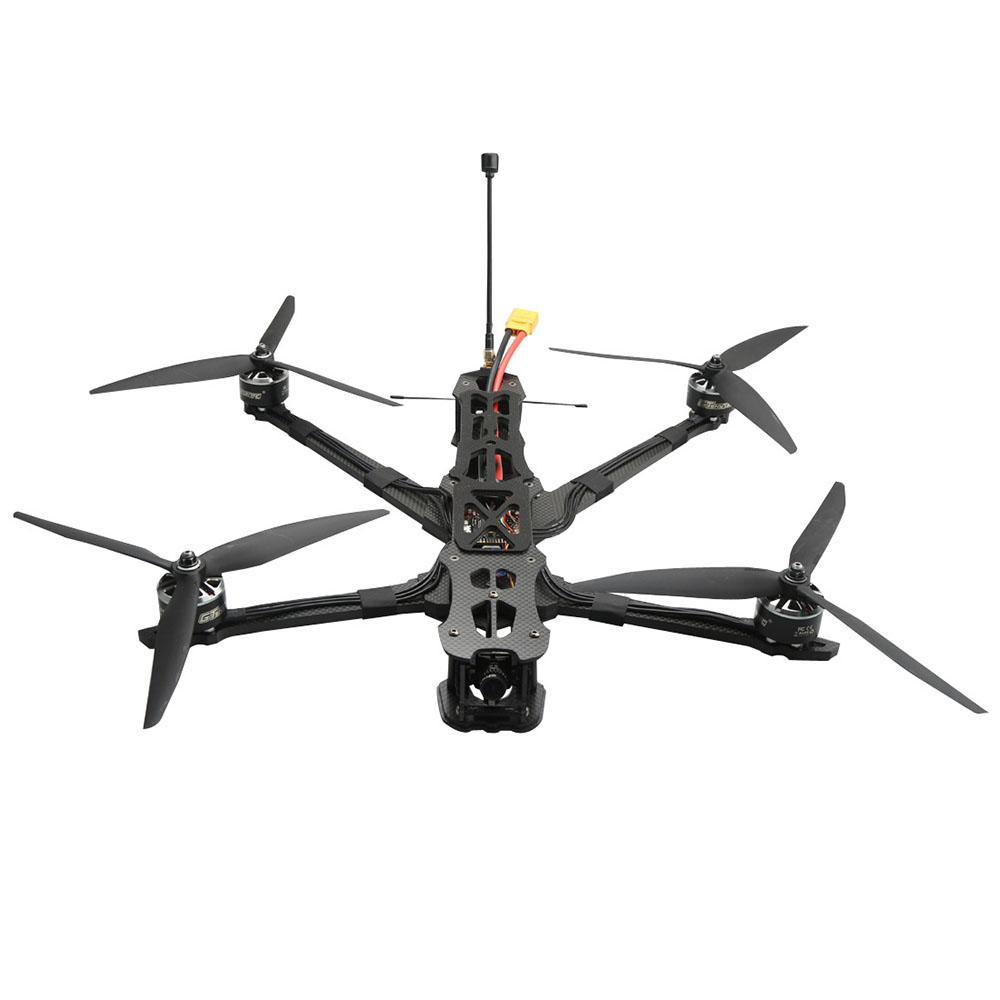
Battery Technology: Advanced batteries with higher capacity and faster charging times can extend your racing sessions. Consider using lithium polymer (LiPo) batteries with higher voltage ratings for optimal performance.
Advanced Cameras: High-definition FPV cameras with advanced features such as higher frame rates, low-light performance, and built-in gyros can enhance your first-person view experience.
FPV racing is more than just a sport; it’s a vibrant community driven by shared passion, continuous innovation, and mutual support. Here’s a closer look at the culture that makes FPV racing unique: Community Events and Meetups: FPV racing events and meetups are a cornerstone of the community. These gatherings provide opportunities for pilots to compete, share knowledge, and build friendships. Local clubs and online forums are great places to connect with other racers.
Online Platforms and Resources: The FPV community leverages online platforms to share tutorials, tips, and race footage. Websites, YouTube channels, and social media groups offer valuable resources for both beginners and experienced pilots.