
fpv First-Person View racing has transformed the drone racing world, offering an unprecedented immersive experience that combines the thrill of speed with the technological wonders of modern drones. If you’ve ever been captivated by the intense, adrenaline-filled races that play out in the sky, then FPV racing is the ultimate spectacle you’ve been waiting for. This guide will introduce you to the exhilarating world of FPV racing, demystifying its elements and highlighting why it has captured the imagination of enthusiasts worldwide.
The Essence of FPV Racing
At its core, FPV racing is about more than just racing drones; it’s a unique experience where you see through the drone’s camera as it zooms through the air, offering a first-person perspective that is both exhilarating and unparalleled. The term “First-Person View” refers to the live video feed transmitted from the drone’s camera to a headset or goggles worn by the pilot. This real-time video feed provides an immersive, first-person view of the drone’s flight path, allowing pilots to navigate with unparalleled precision and an adrenaline-pumping sense of presence.
The Basics of FPV Equipment
To fully enjoy the thrill of FPV racing, understanding the key components of the equipment is essential. Here’s a breakdown of the core elements:
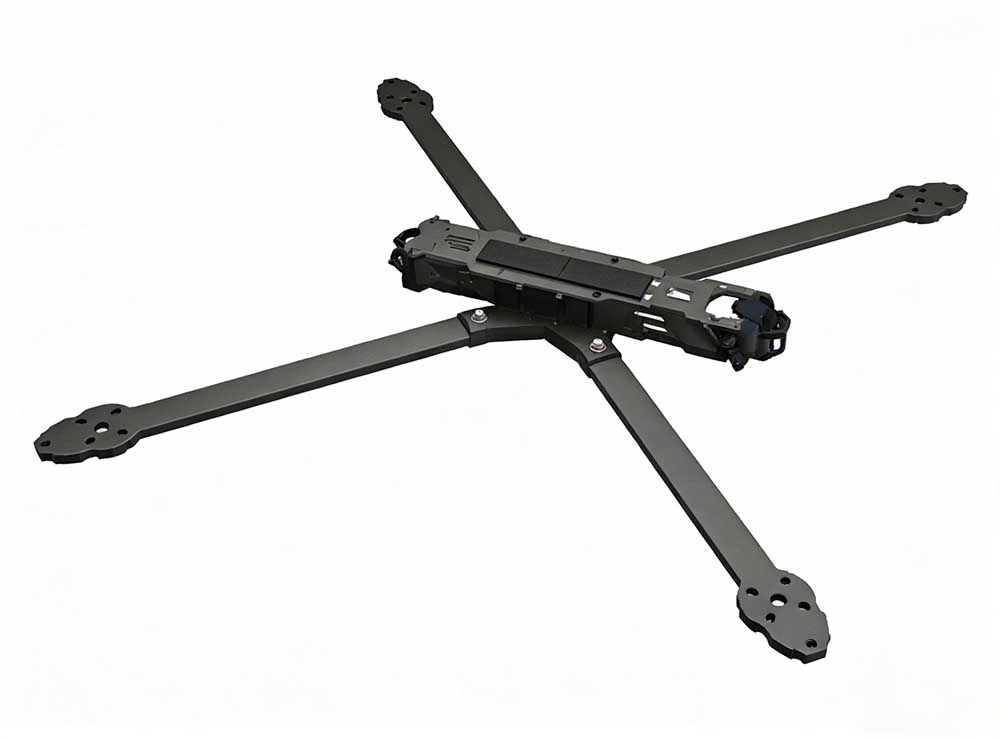
FPV Drone: These are specialized racing drones designed for speed and agility. Equipped with powerful motors and lightweight frames, FPV drones are built to withstand the rigors of high-speed aerial maneuvers.
FPV Camera: The heart of the FPV system, the camera captures high-definition video from the drone’s perspective. It must be compact, lightweight, and capable of transmitting the video feed in real-time.
Transmitter and Receiver: The transmitter sends the video feed from the camera to the receiver, which then transmits it to the pilot’s goggles or headset. High-frequency transmitters are often used to ensure a clear and stable connection.
FPV Goggles or Headset: These devices display the live video feed from the drone’s camera. Goggles are typically used for outdoor racing, while headsets are preferred for indoor settings due to their lightweight and comfortable design.
Antenna: An essential part of the FPV system, the antenna receives the video feed from the transmitter and ensures a clear signal with minimal interference.
Setting Up for FPV Racing
Getting started with FPV racing involves assembling and configuring the right equipment. Here’s a step-by-step guide to help you set up your FPV system:
Select Your Drone: Choose a drone specifically designed for FPV racing. Popular models include the BetaFPV Naze32, Jumper T16, and Hobbywing Zero 2.
Install the FPV Camera: Attach a high-definition FPV camera to the drone. Ensure it’s securely mounted to avoid any movement that could distort the video feed.
Connect the Video Transmitter: Attach the video transmitter to the FPV camera and connect it to the drone’s transmitter port.
Set Up the Receiver: Connect the receiver to your drone’s receiver port and configure it to receive the video feed.
Configure Your Goggles or Headset: Connect your FPV goggles or headset to the receiver and calibrate the settings for optimal performance.
Test the System: Conduct a test run to ensure that the video feed is clear and the connection is stable. Make any necessary adjustments to improve the signal quality.
The Culture of FPV Racing
FPV racing is not just a sport; it’s a vibrant community that thrives on shared passion and continuous innovation. The FPV racing culture is characterized by:
Community and Competition: FPV racing events are held worldwide, attracting enthusiasts from various backgrounds. Competitions range from local meetups to international tournaments, fostering a sense of camaraderie and rivalry among pilots.
Innovation and Technology: The FPV community is at the forefront of drone technology advancements. Pilots and manufacturers constantly push the boundaries, developing new techniques and technologies to enhance the racing experience.
Accessibility and Inclusivity: Despite its technical complexity, FPV racing is accessible to beginners and experts alike. The community offers extensive resources, tutorials, and forums to help newcomers get started.
Conclusion
FPV racing is an exhilarating blend of speed, technology, and immersive experience. From the high-speed maneuvers to the thrill of seeing through the drone’s camera, FPV racing offers a unique perspective that captivates both participants and spectators. Whether you’re a seasoned pilot or a curious newcomer, the world of FPV racing is an exciting frontier that promises endless thrills and innovation.